

Reclaiming Our Selves
Grief, time and fighting our phones
Happy Monday! Free letter today bc it’s a bit of an unconventional send.
Time seems to be a theme around here. Seriously, where is November going?! I feel like once Halloween hits, it’s basically January, and I don’t like it. Scientists say that one way to expand time is to switch up your routine (that’s why a day of travel can frequently feel longer than, for example, a normal day at work); but I’m in the midst of doing that and time seems more fleeting than ever. I want to wrap the hours up in a blanket and cherish them, not glance at them over my shoulder wondering where they went (and what I did to while them away).
Along with experiencing slipping time, I’ve been slowly sliding backwards from my monk-like Stinson existence (these things are undoubtedly connected): more inputs, especially email on my phone, which I’m inching closer to removing; still no social media (it’s been 4 months!), but that doesn’t really matter if I’m on my phone reading Substacks for 2 hours a day. Even a podcast a day – way less than I was consuming pre-sabbatical – feels like it’s stealing precious brain cells.
This NYT Opinion article on the topic of tech, written by a psychoanalyst named Steven Barrie-Anthony, really hit home for me. He pushes past the usual ‘tech is bad’ argument, which we’re all well aware of at this point, and into new territory, examining what it feels like to reconnect with the awareness of what we’ve lost: That feeling often looks like grief. I also learned a new word: alexithymia. It’s “the condition of having difficulty identifying or being able to express one’s emotions” – courtesy of the lovely folks at Meta.
He goes on: “Tech encourages the instrumentalization of emotional life, by which I mean that our feelings seem real only if they translate into actions that help us achieve specific goals. Take the avalanche of fitness metrics appearing on devices like Apple watches — resting heart rate, step count, sleep score. These numbers take on lives of their own and come to feel more real than the mind-body states they measure.” Woof. Barrie-Anthony doesn’t give us a solution; instead, he asks us to sit in the discomfort of grief and allow that to become a force more powerful than the action itself.
This wormhole led me back to a piece I adore by Joan Didion, originally published in Vogue in 1961, called “On Self-Respect” (you can read it in full here), in which she outlines the backbone of the virtue: “Character — the willingness to accept responsibility for one’s own life — is the source from which self-respect springs.” In many ways, we’ve lost our self-respect — and, ultimately, our character — to the powers of technology.
We aren’t to blame; we’re mere marionettes and Zuck, gold chains and all, is the evil genius holding the strings. But taking back that awareness is possible. We are still responsible for our lives, even if it feels like our connection to self is weaker than ever. For the remainder of the year I’m re-committing to myself: to invite grief in, to let it linger, and then, eventually, to feel it dissipate and — fingers crossed — in its place find something stronger: a genuine feeling, reaching up like a fresh spring stalk that winds its way upward, with hope.
This week, in lieu of a book and recipe, I’m recommending a few things I’m loving right now that are helping me to fight the good fight against alexithymia.
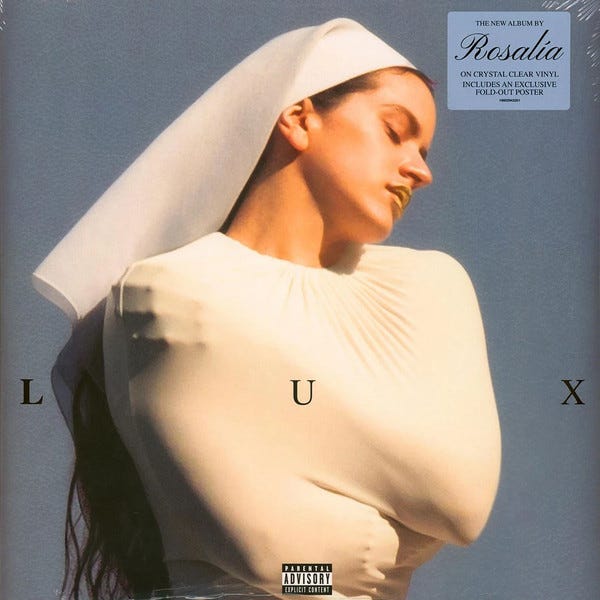
Rosalía’s Lux:
My sister, Molly, recommended this album, and I’ve been listening to it on repeat for days. It’s a portal; a nearly religious experience. It’s operatic, it’s choral, it’s avant-garde, it’s (sort of?) pop (this is a compliment to pop). I can literally feel my heart swelling and unfurling when I turn the volume up. The woman is a musical polymath. Did everyone already know this but me?
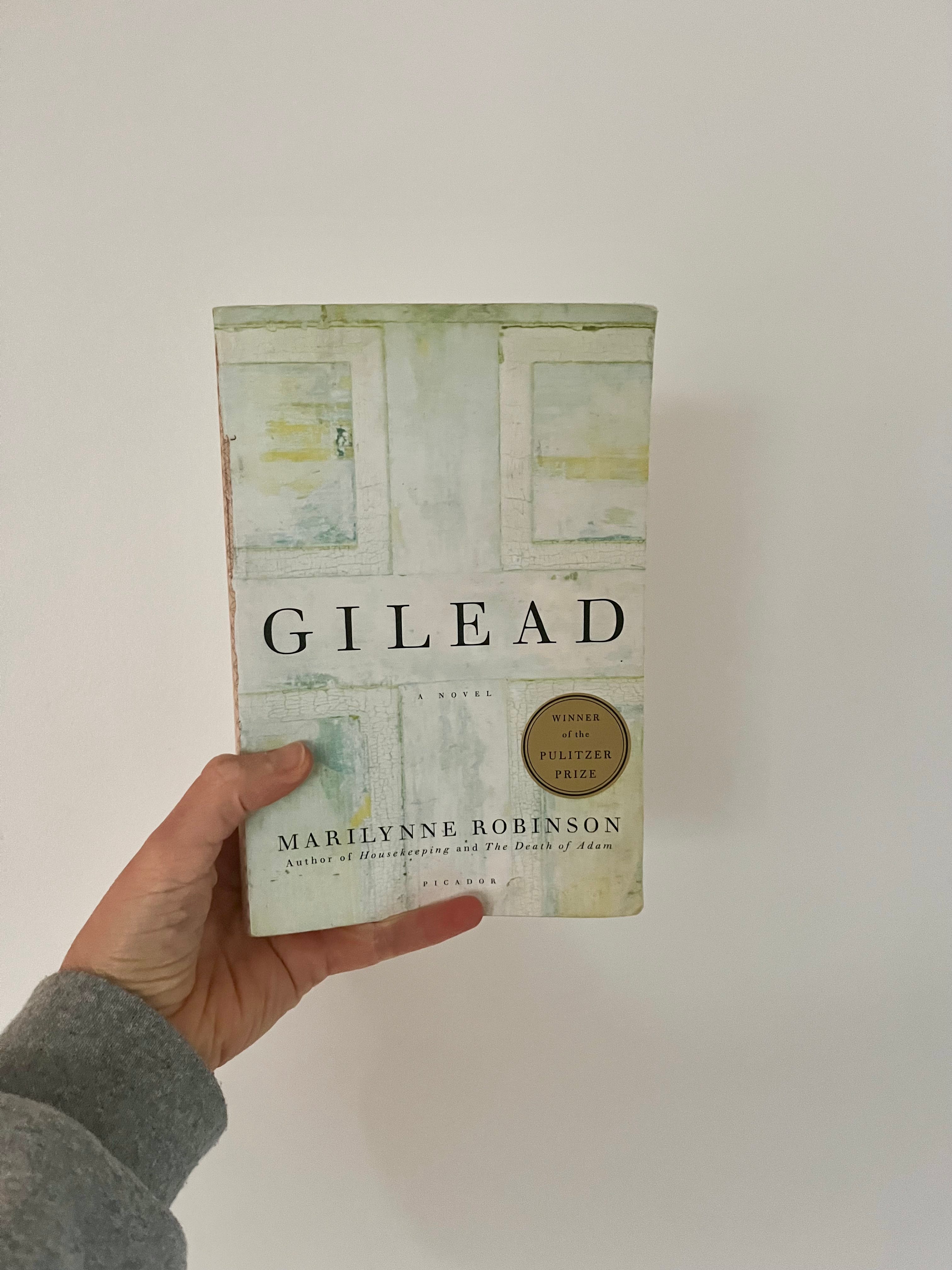
The art of re-reading:
In a recent attempt to regain my sense of balance and calm, I reached for a book I’ve read before, one that asks the reader for her purest attention in order to fully relish in its profundity: Gilead, by Marilynne Robinson. I’ll write about the majesty of this novel one day soon. In the interim, if you haven’t read it and want your life changed over the course of 250-odd pages, please get a copy immediately. Or simply find your version of Gilead and dip back in.
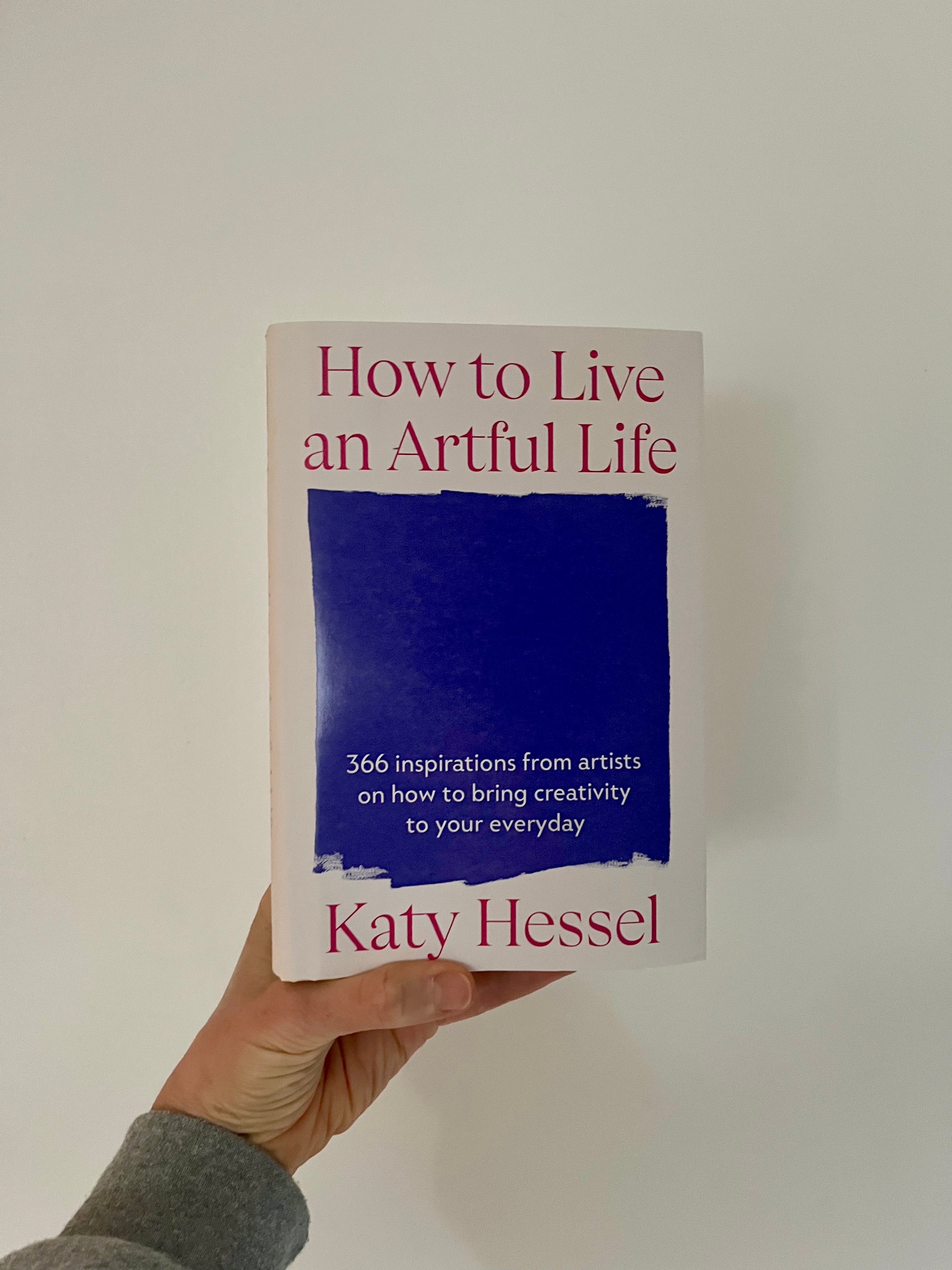
A New Year’s resolution worth keeping:
One of my favorite women, the inimitable Katy Hessel, has published her second book, and it looks to be a banger: How to Live an Artful Life (available at Blackwell’s now). I’m saving it for January 1, and intend to start every day reading a passage rather than opening my phone.
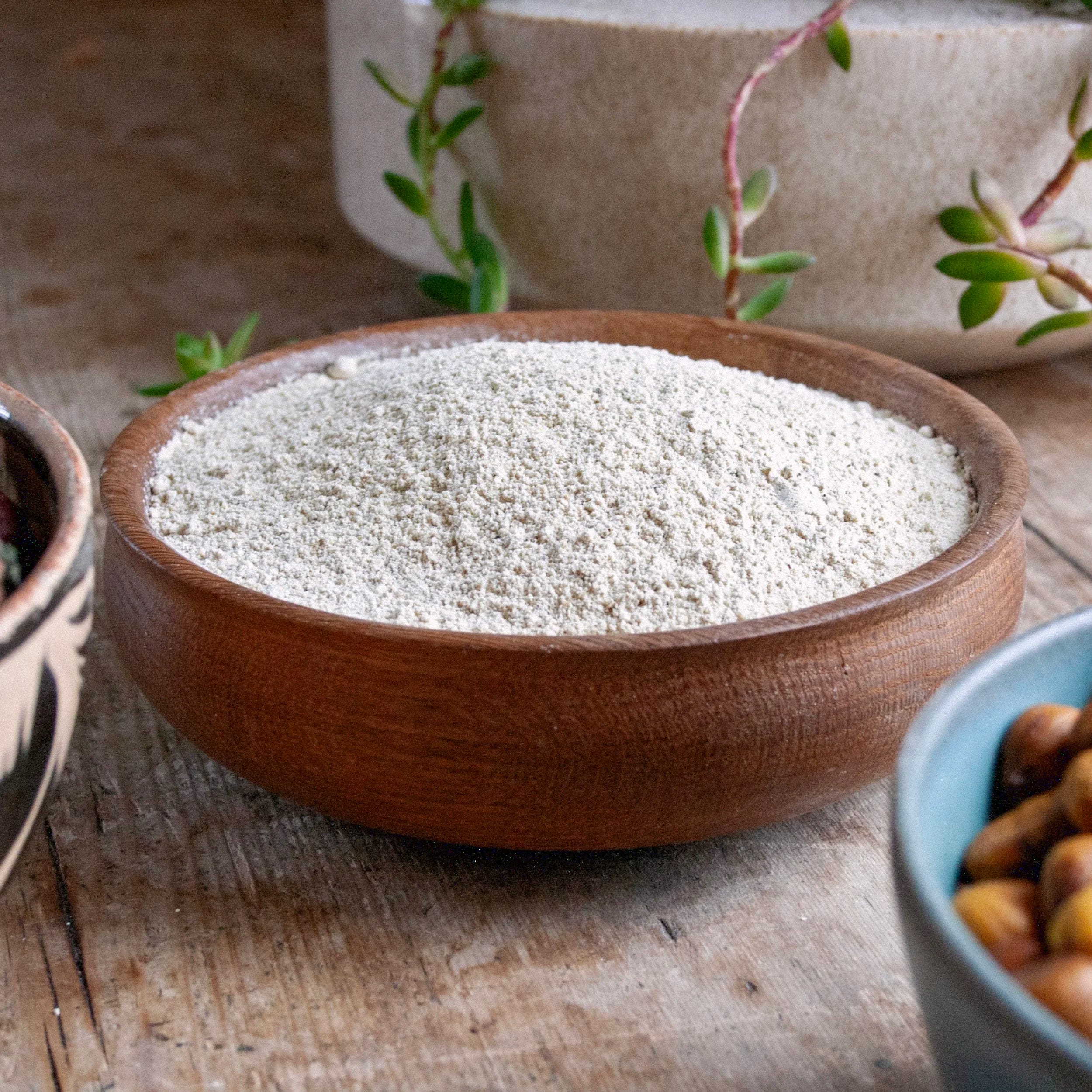
A v special flour:
My new friend Gaia is an incredible cook, pastry and otherwise, so I take her recommendations seriously. Recently, she turned this fine-milled chestnut flour into crepe-like pancakes and influenced me to do the same. 1 cup of flour, 1 egg, 1 cup of milk and 1 tablespoon melted butter is all it takes. Cook them super-thin (about ¼ cup batter in an 8” skillet), spread them with delicious jam, and roll them up to serve. (My grandma used to make us pancakes rolled with jam when we were little, and my heart almost exploded when Gaia sent me a photo of her pancakes with a jar of jam in the background. Apparently she grew up eating jam-rolled pancakes in the Faroe Islands, too.)
A box of compliments:
Literally. Do you know that you can gift someone a box of compliments and it will make their day? I cannot wait to do this for someone this holiday season (or, honestly, anytime). Costs nothing, makes more of an impression than money can buy.
See you December 1!
I’ve been steeping myself in Rosalía, too! Put on Florence + the Machine’s new album next, they’re in dialogue (I’m actually writing about them, too!). I learned about alexithymia in a different context earlier this year (or I thought I did, turns out from searching my messages on my phone just now that it was a term my dear Rebecca Walker introduced to me in 2023 🙃)—from that NYT piece “The Trouble with Wanting Men” about heterofatalism. In that context it was about “normative male alexithymia”: “This incapacity, Ellie Anderson argues, often forces women who date men to become “relationship-maintenance experts,” solidifying what she cites as “the most common communication pattern among heterosexual dating couples … the ‘female demand-male withdraw’ pattern.” Woman approaches man to discuss something; man removes himself.”
Certainly a grief I’ve experienced far too often. All of which to say, I’m excited to explore this new use case for the word in terms of our losses in communicative ability to tech. And you’ve made me feel quite smug about my insistence on not ever getting into tracking steps/other metrics via biometric devices…😘
So many gems, and WOW, Rosalia! SO GOOD!